

Unlocking the Secrets of Danfoss VFDs: Transform Your Understanding and Applications!
Variable Frequency Drives (VFDs) are essential components in modern industrial applications, providing precise control over motor speed and torque. These devices play a pivotal role in enhancing operational efficiency, reducing energy consumption, and optimizing system performance. Among the various brands in the market, Danfoss VFDs stand out for their innovative technology and reliability. Understanding Danfoss VFDs is crucial for engineers and technicians, as they not only contribute to energy savings but also enable advanced automation in various industries. By delving into the workings and applications of these drives, one can unlock their full potential and harness their benefits in everyday operations.
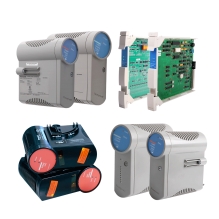
Understanding Danfoss VFDs
Danfoss VFDs are sophisticated electronic devices that regulate the speed of electric motors by varying the frequency and voltage supplied to them. The fundamental operation principle revolves around converting incoming AC power into DC power and then back into a controlled AC output, allowing for smooth motor operation across a wide speed range. Key components of Danfoss VFDs include the rectifier, DC bus, inverter, and control system. The rectifier processes the incoming power, while the inverter generates the adjustable output. The control system uses advanced algorithms to manage the motor's speed and torque, ensuring optimal performance. This technology not only allows for precise control but also enhances the overall efficiency of motor-driven applications. A friend of mine, who works in the HVAC industry, shared how switching to a Danfoss VFD significantly improved their system's responsiveness and energy efficiency, showcasing the real-world impact of this technology.
Applications of Danfoss VFDs
Danfoss VFDs find applications across various industries, showcasing their versatility and effectiveness. One of the primary sectors utilizing these drives is HVAC systems, where they regulate fan and pump speeds to match the building's heating and cooling demands. This dynamic adjustment leads to substantial energy savings and improved indoor air quality. In the water and wastewater treatment industry, Danfoss VFDs control pumps, ensuring optimal flow rates while minimizing energy consumption. Moreover, they are also widely used in conveyor systems in manufacturing and material handling. By adjusting the speed of motors based on real-time demand, these drives enhance operational performance and reduce wear and tear on mechanical components. In a recent conversation, my colleague in manufacturing mentioned how the integration of Danfoss VFDs in their conveyor system not only improved production efficiency but also reduced maintenance costs significantly, illustrating the tangible benefits of these drives across different applications.
Technical Specifications and Features
Danfoss VFDs are designed with a range of technical specifications that cater to diverse industrial needs. These drives are available in various power ratings, from small, compact units for low-power applications to large drives capable of handling heavy industrial loads. Control algorithms, such as vector control and scalar control, provide flexibility in motor management, ensuring precise control under different operating conditions. Additionally, Danfoss VFDs support multiple communication protocols, facilitating seamless integration with existing automation systems. Features like energy-saving modes allow for automatic adjustments based on load requirements, contributing to reduced operational costs. User interfaces are designed to be intuitive, allowing technicians to monitor and adjust settings easily. My friend in the renewable energy sector highlighted how the integration capabilities of Danfoss VFDs with their solar energy systems enabled efficient energy management, showcasing how these specifications translate into practical advantages.
Benefits of Using Danfoss VFDs
Implementing Danfoss VFDs in industrial applications comes with numerous advantages. One of the most significant benefits is the reduction in energy consumption, which not only lowers operational costs but also contributes to a smaller carbon footprint. Additionally, the precise control offered by these drives leads to extended equipment lifespan, as motors experience less stress and wear. Enhanced process control is another key benefit, allowing for better performance consistency and quality in production. In a recent project, a friend in the food processing industry noted that after incorporating Danfoss VFDs, they achieved a more stable production environment, resulting in fewer defects and increased overall productivity. These advantages make Danfoss VFDs a valuable investment for any operation looking to optimize performance and efficiency.
Summary of Key Insights on Danfoss VFDs
In conclusion, Danfoss VFDs play a vital role in modern industrial applications, offering advanced control over motor operations that lead to significant energy savings and improved performance. By understanding their functionality, applications, and benefits, engineers and technicians can make informed decisions about integrating these drives into their systems. The importance of Danfoss VFDs cannot be overstated, as they not only enhance operational efficiency but also support sustainable practices in various industries. As we continue to advance towards more automated and energy-conscious operations, considering the use of Danfoss VFDs will undoubtedly prove beneficial.