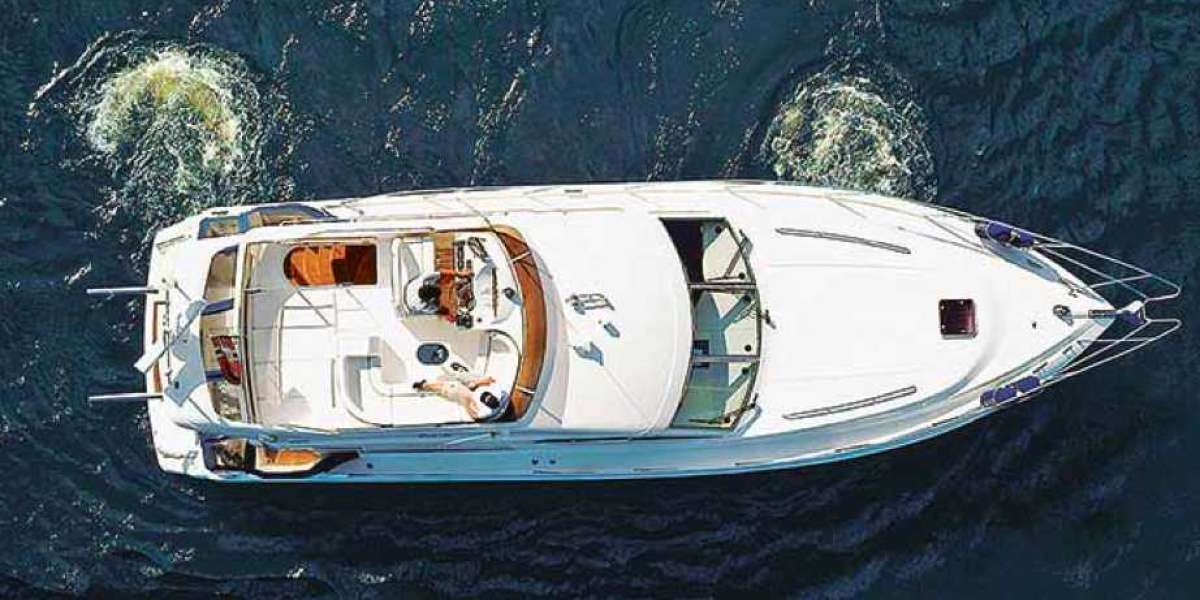

There are mainly two types of thrusters used aboard - tunnel thrusters and azimuth thrusters. Tunnel thrusters have fixed nozzles pointed in the desired direction of thrust through underwater tunnels. Bow and Stern Thrusters provide thrust only in one direction they are facing. Azimuth thrusters, on the other hand, have rotatable propeller pods that can be rotated through 360 degrees using electric motors or hydraulic cylinders. This allows them to provide thrust in any horizontal direction as required.
Installation and Operation
Thruster nozzles are immersed below the hull through watertight tunnels. The choice of location depends on factors like hull design, draught, and desired thrust angles. Azimuth thrusters often have the propeller pod installed slightly above the flat bottom for better clearance while rotating. During operation, water takes in from front and is directed sideways at high velocity through the nozzle, producing a lateral force on the ship.
Reliable thruster control systems are essential for precision maneuvering. Feedback from ultrasonic sensors or other collision avoidance techniques allows automated positioning assists as well. However, local controls are always manned by the docking crew during critical operations near berths, piers or other vessels for added safety. Bow and stern thrusters reduce but do not eliminate the need for tug assistance in ports with heavy ship traffic.
Advantages
The key advantages of bow and stern thrusters include:
- Increased maneuverability during berthing and unberthing allowing operations even in difficult wind and tidal conditions.
- Ability to move the ship sideways both towards port and starboard through a single control station.
- Precise lateral positioning control within inches for docking against fenders and mooring lines.
- Lower reliance on tugs and harbor vessels saving port costs on every call.
- Safety benefits of maintaining station without drifting during cargo handling or bunkering operations near docks.
- Ability to deflect impact energy sideways in case of allision risk rather than taking the full force on bow or stern.
- Improved berthing rates and frequency with faster turnaround times using thruster assisted navigation in confined waters.
Get More Insights on: Bow and Stern Thrusters