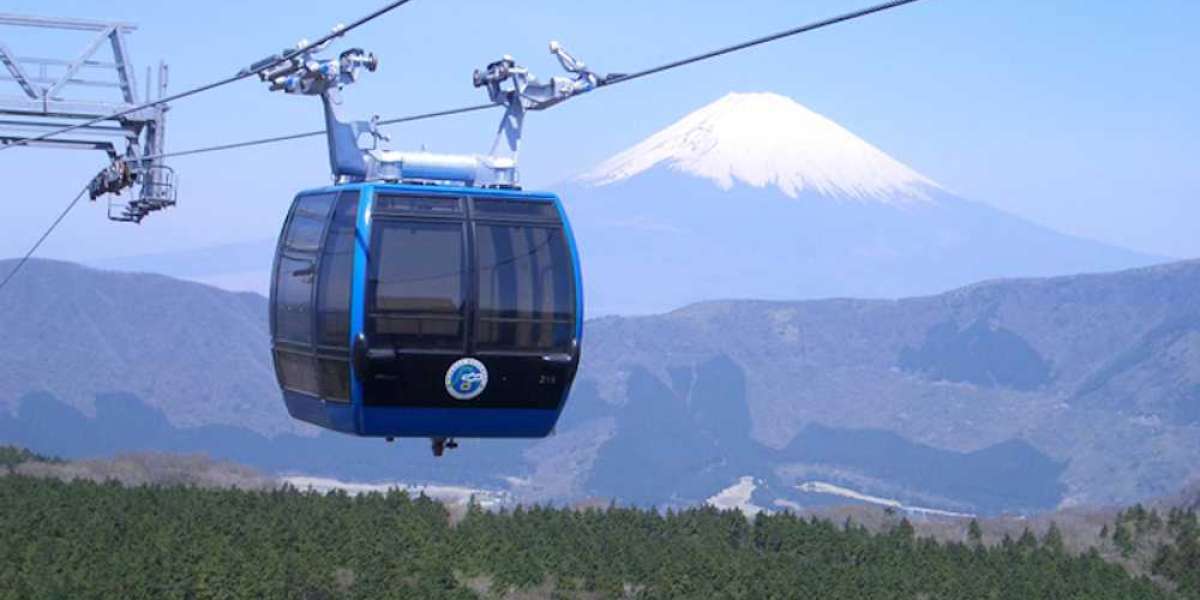

The global aerial ropeway market is gaining momentum, driven by the need for efficient transportation solutions in urban and rural areas, as well as for tourism and recreational activities. Aerial ropeways are increasingly recognized for their ability to navigate challenging terrains and reduce congestion in densely populated regions.
Overview of Aerial Ropeways
The global aerial ropeway market is on a growth trajectory, fueled by urbanization, tourism, and the need for sustainable transport solutions. With technological advancements and increasing investments in infrastructure
Aerial ropeways, also known as cable cars or gondolas, are systems of transport that use cables to pull passenger cabins or freight across spans of air. They are commonly used in mountainous regions, urban environments, and for tourist attractions, providing a unique mode of transportation.
Types of Aerial Ropeways
Gondola Lifts
- Enclosed cabins that provide a comfortable ride for passengers.
- Ideal for urban transport as well as ski resorts.
Chairlifts
- Open-air seats attached to a cable, typically used in ski areas.
- Allow for easy access to mountain slopes.
Tramways
- Large cabins that can accommodate more passengers or cargo.
- Often used in tourist destinations to transport visitors over scenic landscapes.
Market Drivers
Urbanization and Traffic Congestion
Rapid urbanization is leading to increased traffic congestion in major cities. Aerial ropeways offer a viable solution for alleviating congestion by providing a direct mode of transport that bypasses ground-level traffic.
Tourism Growth
The tourism industry is a significant driver of the aerial ropeway market. Popular tourist destinations are increasingly installing cable car systems to enhance visitor experiences and provide unique sightseeing opportunities.
Environmental Sustainability
Aerial ropeways are viewed as a sustainable transportation alternative due to their low environmental impact. They require less land than traditional transport systems and can be powered by renewable energy sources, making them an attractive option for eco-conscious communities.
Regional Analysis
North America
In North America, the aerial ropeway market is primarily driven by ski resorts and tourist attractions. The region has a well-established infrastructure, with several successful installations in mountainous areas.
Europe
Europe is a leader in the aerial ropeway market, with numerous cable cars and gondola systems in operation. The emphasis on sustainable transport solutions and increased investment in urban mobility projects are propelling market growth.
Asia-Pacific
The Asia-Pacific region is expected to witness significant growth in the aerial ropeway market due to rapid urbanization and increasing investments in infrastructure. Countries like China and India are focusing on developing aerial ropeway systems to address transportation challenges in densely populated urban areas.
Key Players in the Market
Doppelmayr Garaventa Group
- A leading manufacturer of cable car systems, known for its innovation and extensive portfolio in the aerial ropeway industry.
Leitner Ropeways
- Offers a wide range of aerial ropeway solutions, specializing in both urban transport and ski area installations.
POMA
- Known for its cutting-edge technology and sustainable solutions in aerial transport, POMA has a strong presence in the global market.
Future Trends
Technological Innovations
The future of the aerial ropeway market is likely to be shaped by technological advancements, such as automated systems, smart controls, and enhanced safety features. Innovations in materials and construction methods will also improve efficiency and reduce operational costs.
Integration with Urban Transport
Aerial ropeways are increasingly being integrated into existing urban transport systems. This trend will enhance accessibility and connectivity in cities, providing a comprehensive public transport solution.
Expansion in Developing Regions
As developing countries focus on improving their transportation infrastructure, the demand for aerial ropeways is expected to rise. These systems provide cost-effective solutions to transportation challenges, particularly in hilly or congested areas.
Conclusion
The global aerial ropeway market is on a growth trajectory, fueled by urbanization, tourism, and the need for sustainable transport solutions. With technological advancements and increasing investments in infrastructure, aerial ropeways are poised to become an integral part of modern transportation systems. As cities seek innovative ways to tackle congestion and enhance mobility, the role of aerial ropeways will likely expand, offering unique solutions for both urban and rural environments.