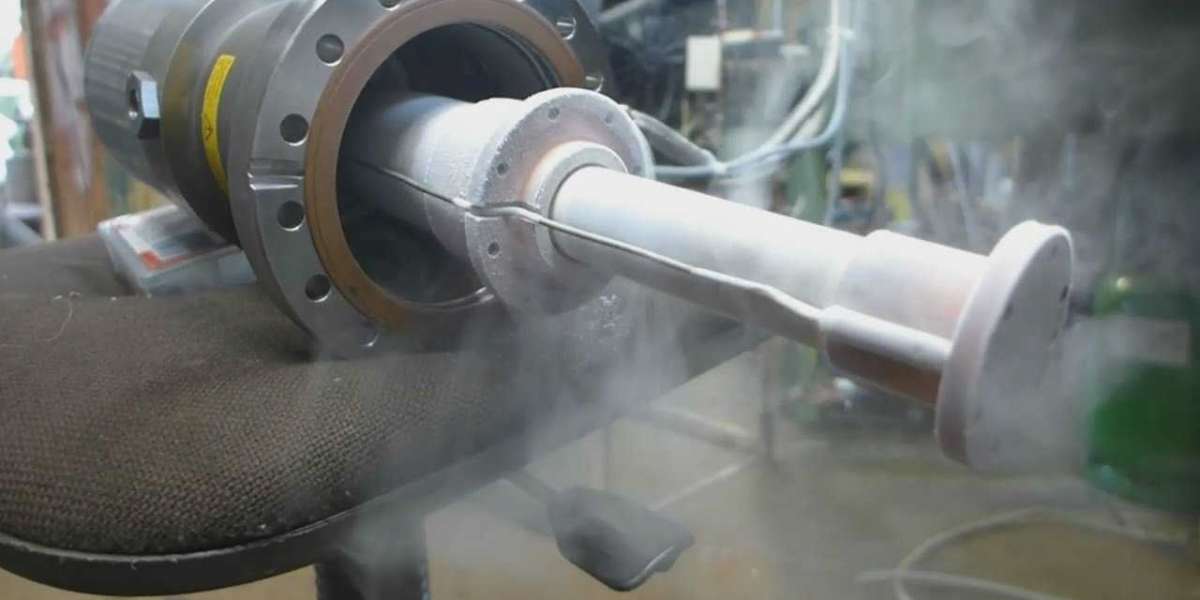

The cryocooler market plays a crucial role in various high-tech applications, providing essential cooling solutions for a range of industries, including aerospace, medical, and electronics. This article explores the current state of the cryocooler market, its drivers, challenges, and future trends.
Introduction to Cryocoolers
Cryocoolers are refrigeration devices designed to reach and maintain cryogenic temperatures, typically below -150°C. They are used to cool materials and systems in applications that require low temperatures, such as superconducting materials, infrared sensors, and cryopreservation of biological samples.
How Cryocoolers Work
Cryocoolers operate on various thermodynamic cycles, including the Stirling, Gifford-McMahon, and pulse tube cycles. Each type has unique characteristics that make it suitable for different applications, but all are designed to extract heat from a system and transfer it away, achieving low temperatures.
Market Overview
Current Market Size and Growth
The global cryocooler market has witnessed substantial growth, driven by advancements in technology and increased demand for cooling solutions in sectors like aerospace, healthcare, and energy. Factors such as research and development in cryogenics and the need for efficient cooling systems are propelling market expansion.
Key Segments of the Market
By Type
- Stirling Cryocoolers: Known for their high efficiency and reliability, commonly used in space applications and scientific research.
- Gifford-McMahon Cryocoolers: Frequently used in military and commercial applications, offering a balance between performance and cost.
- Pulse Tube Cryocoolers: Gaining popularity due to their low vibration and maintenance-free operation, ideal for sensitive applications.
By Application
- Aerospace: Essential for cooling sensors and instruments in satellites and aircraft.
- Medical: Used in MRI machines and cryopreservation systems for biological samples.
- Electronics: Critical for cooling superconducting components in advanced computing systems.
By Geography
- North America: Leading region, driven by significant investments in aerospace and defense sectors.
- Europe: Focused on research and development in cryogenics and growing demand in medical applications.
- Asia-Pacific: Fastest-growing market, supported by increasing industrialization and advancements in technology.
Market Drivers
Advancements in Cryogenic Technology
Innovations in cryogenic technology are enhancing the efficiency and performance of cryocoolers. Improved designs and materials are enabling more compact and lightweight systems, which are crucial for applications in aerospace and portable medical devices.
Growing Demand in Healthcare
The medical sector's increasing reliance on cryogenic systems for diagnostics, treatment, and preservation of biological materials is a significant driver of the cryocooler market. Technologies such as MRI machines and cryopreservation techniques require efficient cooling solutions.
Expansion of Aerospace and Defense Applications
The aerospace industry’s ongoing demand for advanced cooling systems for satellites, space probes, and military applications is propelling market growth. Cryocoolers play a vital role in ensuring the reliability and performance of these systems.
Challenges Facing the Market
High Initial Costs
The initial investment for cryogenic systems can be substantial, which may deter some potential customers. The high costs associated with manufacturing and maintaining cryocoolers can limit their adoption in cost-sensitive markets.
Limited Awareness and Understanding
The complexity of cryogenic systems may result in limited awareness among potential users. Educating stakeholders about the benefits and applications of cryocoolers is essential for market growth.
Technological Limitations
While advancements are being made, certain technological limitations still exist. Achieving ultra-low temperatures efficiently and maintaining performance over extended periods can pose challenges.
Future Outlook
Increasing Research and Development
The cryocooler market is expected to benefit from increased investment in research and development. Innovations in materials, designs, and technologies will continue to enhance the performance and efficiency of cryocoolers.
Expansion into Emerging Markets
As industries in developing regions expand, the demand for advanced cooling solutions is expected to rise. Emerging markets in Asia-Pacific and Latin America present significant opportunities for growth in the cryocooler market.
Integration with Renewable Energy
The integration of cryocoolers in renewable energy applications, such as energy storage systems and efficient cooling for power generation, will drive further growth. As the focus on sustainable solutions increases, cryogenic technology can play a vital role.
Conclusion
The cryocooler market is poised for significant growth as advancements in technology and increasing demand across various sectors drive innovation. While challenges remain, the opportunities for cryocoolers in aerospace, healthcare, and emerging markets present a bright future. Stakeholders must navigate this evolving landscape to leverage the benefits of cryogenic technology and meet the growing demand for efficient cooling solutions