

It may be easy to puzzle with a noise you make when the temperature levels drop outside, but this a little strange acronym has nothing to do with winter weather. BRRRR stands for Buy, Rehab, Rent, Refinance, Repeat. This technique has actually gained rather a bit of traction and popularity in the realty neighborhood recently, and can be a clever way to make passive income or build a substantial financial investment portfolio.
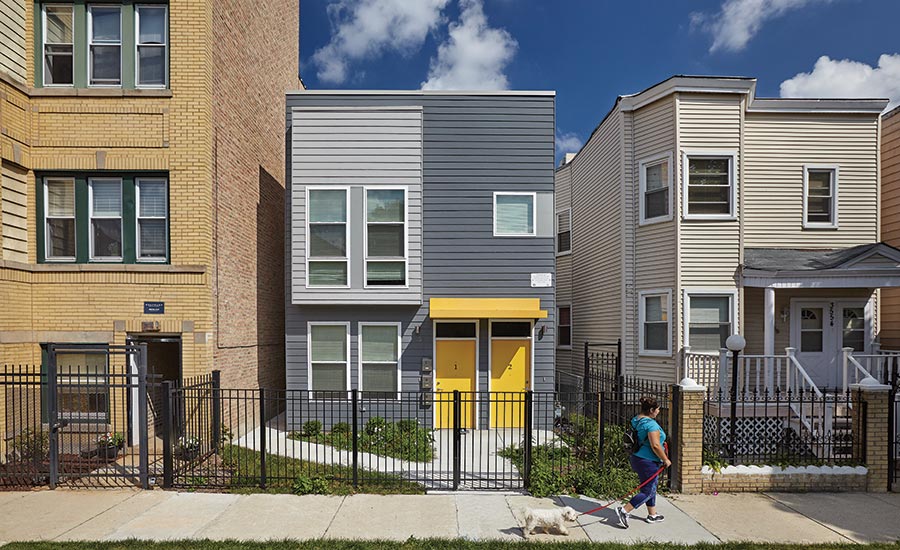
While the BRRRR technique has a number of actions and has been fine-tuned throughout the years, the principles behind it - to buy a residential or commercial property at a low price and improve its worth to construct equity and increase capital - is nothing new. However, you'll wish to consider each action and comprehend the downsides of this approach before you dive in and dedicate to it.

Pros and Cons of BRRRR
Like any earnings stream, there are advantages and disadvantages to be knowledgeable about with the BRRRR method.
Potential to make a considerable quantity of money
Provided that you're able to purchase a residential or commercial property at a low adequate rate which the value of the home increases after you rent it out, you can make back far more than you put into it.
Ongoing, passive earnings source
The primary appeal of the BRRRR approach is that it can be a relatively passive source of earnings; aside from your responsibilities as a property owner (or contracting out these duties to a residential or commercial property manager), you have the opportunity to generate constant regular monthly rental earnings for low effort.
The danger of overlooking ARV
When determining the after-repair value (ARV), make sure you're taking into account the quality of the upgrades you're making - it's not uncommon for people to cut corners on bathroom or kitchen area surfaces due to the fact that it will be a rental residential or commercial property, just to have actually the appraisal can be found in less than anticipated due to this.
Purchasing a rental residential or commercial property can be more expensive than a main residence
Rental residential or commercial property funding (and refinancing) typically includes a larger down payment requirement and greater interest rates than an owner-occupied home.
The time required to develop sufficient equity for a re-finance
Growing equity requires time, and depending on current market conditions, it may take longer than you would like for the residential or commercial property to accrue enough to re-finance it.
Responsibilities as a property owner
Unless you're prepared to employ and pay a residential or commercial property supervisor, you'll need to manage any occupant issues that pop up yourself when you rent the residence. If you prepare to accrue numerous rental residential or commercial properties, contracting out residential or commercial property management might make good sense, but lots of property managers pick to manage the first few residential or commercial properties themselves to begin.
The BRRRR Method, Step by Step
Buying
For your first residential or commercial property, you'll want to acquaint yourself with the qualities that generally make for an excellent investment. Ultimately, you'll want to look for out a residential or commercial property you can purchase at or listed below market worth - as this will increase your probability of making money. But you'll likewise want to make certain that you're making a smart investment that makes good sense in regards to the quantity of work the residential or commercial property needs.
There are a number of manner ins which you as a prospective purchaser can increase your chances of securing a home for as low of a rate as possible.
These include:
- Learning about any particular motivational elements the seller has in addition to rate
- Offering money (if you need it, you can get a short-term, "hard-money" loan), then get a loan after rehabbing the residential or commercial property
- Renting the home back to the seller, which prevails with the BRRRR approach
- Write an authentic letter to the buyer that describes your vision and objectives for the residential or commercial property
- Waiving contingencies and buying the home "as is" for a faster closing
- Get imaginative with your offer (for example, requesting to purchase the furniture with the residential or commercial property).
Rehabbing
Before purchasing a home and rehabbing it, you ought to do some rough estimates of how much you'll need to invest in the enhancements - including a breakdown of what you can DIY versus what you'll require to outsource. Make certain to consider whether this rehab will justify a higher regular monthly lease and whether the worth included will go beyond the expense of the job.
Fortunately, there are some models that can help you calculate a few of the costs involved to make a more educated choice.
You can determine the ARV of the home by combining the purchase cost with the estimated value added through rehab. One essential thing to note is that the estimated worth is not the like the cost of repair work; it's the worth that you think the repairs will add to the home overall. If you purchase a home for $150,000 and estimate that repair work will include around $50,000 in value, the ARV would be $200,000.
Once you land on the ARV, the next step is to figure out the MAO (Maximum Allowable Offer).
This equation is slightly more complicated:
MAO = (ARV x 70%) - expense of repairs
So, using the above example, if the After Repair Value of the home is $200,000 and the cost of repair work is approximated at $35,000, the MAO would be $105,000.
It deserves nothing that there are certain restorations and updates, like landscaping, kitchen area and bathroom remodels, deck additions, and basement finishing, that rapidly include more worth to a home than other repairs.
Renting
There are two essential components when it comes to turning your investment residential or commercial property into a rental: figuring out fair market rent and protecting suitable renters. Websites like Zillow Rental Manager and Rentometer can help you set a proper rental amount. It's also essential to do due diligence when it comes to discovering renters. In addition to Zillow Rental Manager, Zumper and Avail can offer screening tools to help you vet possible candidates and perform background checks.
Refinancing
Once the residential or commercial property gains enough equity, you'll use for a refinance. Remember that while particular requirements depend upon the lender, a lot of will ask for a great credit score, a tenant who has resided in the system for a minimum of 6 months, and at least 25% equity left over after the re-finance in order for you to get the most favorable rates and terms.
Repeating
This part is pretty easy - when you take out the cash from one residential or commercial property for a refinance, you can use it to put a deposit on your next financial investment residential or commercial property, while the re-financed home continues to generate rental earnings.
Explore Real Estate Investing Resources
There are a variety of resources that can help you find out more about and get begun with the BRRRR approach. For example, BiggerPockets offers valuable material and forums where you can link with others in the financial and property areas who are effectively using this approach. There is also a wealth of details on YouTube.
Funding Your First Investment Residential Or Commercial Property
If you've decided to pursue the BRRRR method for passive income, there are a handful of ways you can access the cash you require for a deposit to purchase the residential or commercial property.
As a homeowner, you can secure a home equity loan to get a lump sum of money. However, you'll need to pay the loan back on top of your existing mortgage payment( s) and the application and approval process can be strenuous. A home equity line of credit (HELOC) offers a bit more versatility, however month-to-month payments can change monthly due to variable interest rates, and your lender can freeze your account at any time if your credit rating drops too low. A cash-out refinance, which becomes part of the BRRRR procedure, is another possibility to access equity from your main house - and can enable you to secure a lower rate of interest. But because you're taking out a new mortgage, you'll need to pay closing costs and possibly an appraisal charge.

Finally, if you've developed equity in your home and need cash to cover the deposit or essential restorations, a home equity investment might be a great solution. There's no regular monthly payments, and you can utilize the cash for anything you 'd like with no limitations. You can receive up to 25% of your home value in cash, and don't have to make any payments for the life of the financial investment (ten years with a Hometap Investment).
The more you understand about your home equity, the much better decisions you can make about what to do with it. Do you know how much equity you have in your home? The Home Equity Dashboard makes it simple to discover.