
Unlock the Secret to Creating the Perfect Bird Paradise Just for You!
In recent years, personalized bird feeders have become increasingly popular among bird enthusiasts who wish to elevate their outdoor experience. These customized feeders not only cater to specific bird species but also reflect the unique aesthetics of your garden or balcony. Imagine a vibrant, inviting space where colorful birds flock, creating a natural symphony right outside your window. The benefits of having a tailored bird feeder are immense: it can enhance your outdoor decor, attract a wider variety of birds, and provide you with endless enjoyment as you observe nature up close. This article aims to guide you through the process of selecting and creating your ideal personalized bird feeder, ensuring that it meets both your functional needs and personal tastes.
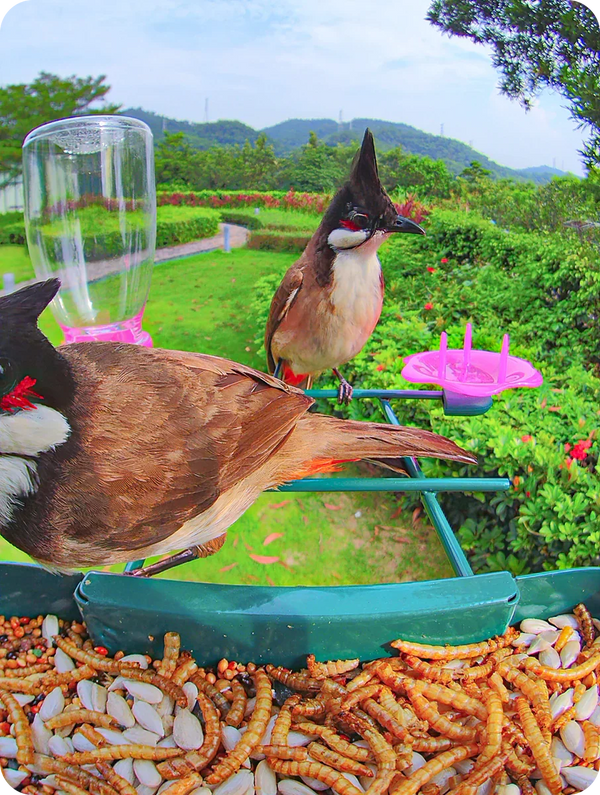
Understanding Your Preferences and Needs
Before diving into the world of personalized bird feeders, it’s crucial to assess your own preferences and needs. Consider the aesthetics that appeal to you—do you envision a rustic wooden feeder or a modern metal design? Think about functionality as well: how easy is it to refill, clean, and maintain? Additionally, take a moment to reflect on the bird species that inhabit your area. Some feeders are better suited for attracting finches, while others are designed for larger birds like cardinals or woodpeckers. Envisioning your outdoor space can greatly influence your choice. For instance, a friend of mine transformed her backyard into a haven for hummingbirds by customizing a bright red feeder adorned with floral designs. Her experience inspired her to explore different feeder types and placements that complemented her garden’s aesthetic, ultimately creating a delightful bird paradise.
Choosing the Right Materials for Your Bird Feeder
When selecting materials for your bird feeder, consider options such as wood, metal, and plastic, each with its own set of advantages and disadvantages. Wooden feeders, while charming and natural-looking, require regular maintenance to prevent rot and insect damage. On the other hand, metal feeders are typically more durable and can withstand various weather conditions, but they may not be as visually appealing as wood. Plastic feeders offer a lightweight and affordable option, but they might not last as long as their wooden or metal counterparts. It’s essential to weigh the pros and cons based on your preferences for durability, maintenance, and environmental impact. A friend of mine opted for a sustainable wooden feeder, treating it with eco-friendly sealant to enhance its longevity while preserving the aesthetic appeal of her garden. The choice of material can significantly affect not just the feeder's lifespan but also its ability to attract birds.
Designing Your Custom Bird Feeder
Designing your bird feeder is where your creativity truly shines. Think about how you want it to reflect your personal style while also attracting a variety of birds. Consider colors that blend with your garden, such as earthy tones or vibrant hues that stand out. The shape of the feeder can also play a critical role; for instance, a tube feeder can attract finches, while a platform feeder might cater to larger birds. Don't overlook additional features like perches, roof styles, and feeding ports—each element can enhance both functionality and visual appeal. My neighbor created a unique design with a slanted roof and multiple feeding ports, which not only looked stunning but also accommodated several birds at once. Such personalization can transform a simple feeder into a focal point of your outdoor space.
Attracting the Right Birds to Your Feeder
To make your customized bird feeder truly effective, it’s important to understand which bird species are attracted to different feeder types and food. For instance, if you want to attract chickadees and nuthatches, a suet feeder is highly effective, while sunflower seeds can lure in cardinals. Creating a bird-friendly environment goes beyond just the feeder; consider incorporating native plants, shrubs, and a water source nearby to enhance your garden’s appeal. A friend of mine planted a butterfly bush near her feeder, which not only attracted birds but also added to the overall beauty of her yard. By understanding the preferences of the birds in your area, you can create a harmonious and inviting space for them.
Installation and Maintenance Tips
Once you’ve designed your personalized bird feeder, proper installation and maintenance are key to attracting birds consistently. Choose an optimal location that offers visibility and accessibility for the birds while keeping potential predators at bay. Ideally, place the feeder near trees or shrubs for shelter but not too close to allow easy access for squirrels. Maintenance is equally important; clean your feeder regularly to prevent the spread of disease among birds. Ensure that it is refilled promptly, especially during peak feeding seasons. Seasonal considerations, such as using heated feeders in the winter or adjusting types of food during migrations, can also maximize your bird-watching experience. A friend of mine discovered that by monitoring and adjusting her feeder based on the season, she enjoyed a diverse range of birds throughout the year.
Creating Your Bird Paradise
Creating a personalized bird feeder is not just a hobby; it is a gateway to connecting with nature and experiencing the joy of birdwatching in your own backyard. By understanding your preferences, selecting the right materials, designing a custom feeder, attracting the right birds, and maintaining it properly, you can craft an enchanting outdoor paradise. So, let your creativity flow, take action on your ideas, and enjoy the delightful spectacle of birds that your personalized feeder will bring to your home. Embrace the beauty of nature and transform your outdoor space into a vibrant sanctuary for both you and your feathered friends.