
Unlocking Efficiency: Discover the Secrets of Timeclock Services and Their Game-Changing Benefits!
In today's fast-paced work environment, managing time efficiently has become a crucial aspect of business success. With the increasing complexity of workforce management, organizations are turning to timeclock services to streamline their time-tracking processes. These services not only help in keeping accurate records of employee attendance but also play a significant role in improving productivity and accountability. As businesses evolve, the need for efficient time management solutions has never been more pressing, making timeclock services an indispensable tool in the modern workplace.
Understanding Timeclock Services
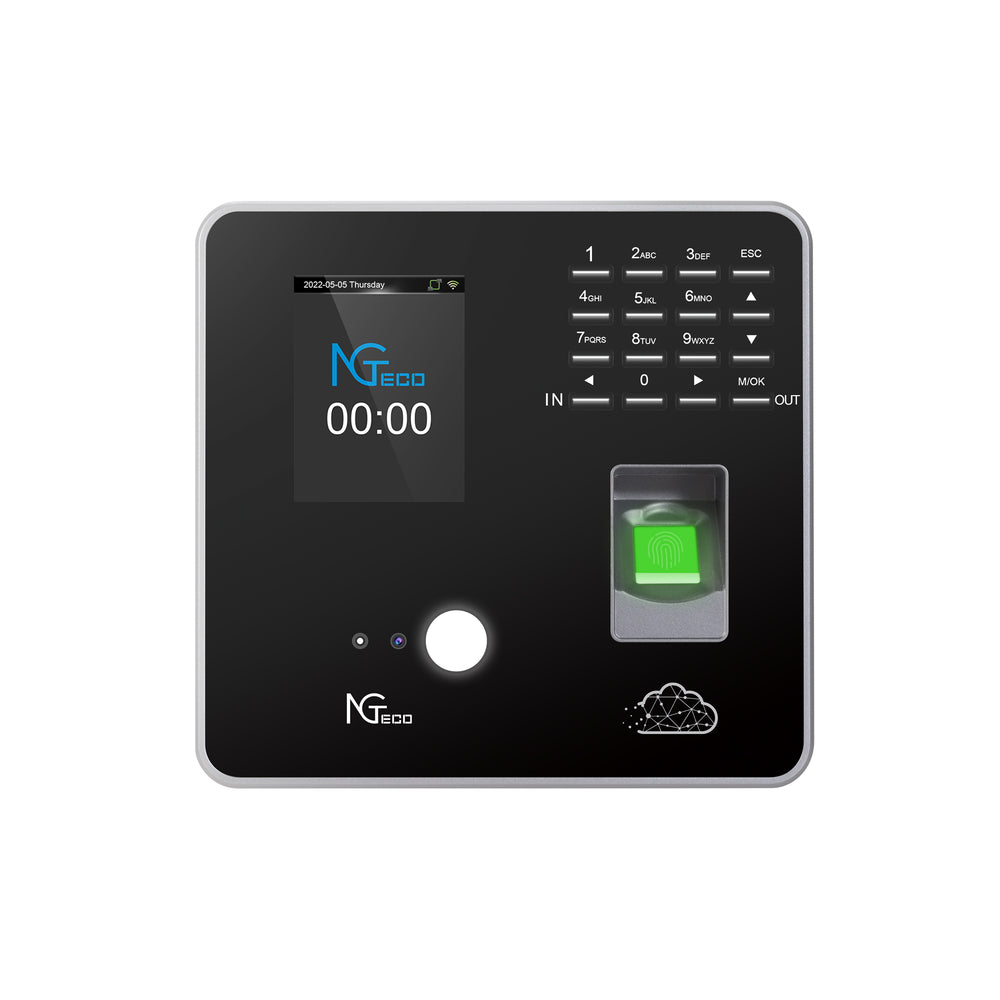
Timeclock services refer to systems designed to track employee working hours and attendance. They can be broadly categorized into two types: software-based solutions and hardware systems. Software-based timeclock services usually involve applications that employees can access through their computers or mobile devices, allowing them to clock in and out digitally. On the other hand, hardware systems may include physical timeclocks that require employees to swipe cards or enter codes. Regardless of the type, these systems function by recording the exact time an employee starts and ends their shift, as well as any breaks taken throughout the day. This data is then compiled into reports that provide valuable insights into attendance patterns, overtime, and overall workforce efficiency.
Benefits of Timeclock Services
The implementation of timeclock services in an organization can lead to numerous advantages. One of the most significant benefits is improved accuracy in tracking working hours. By automating the time-tracking process, businesses can minimize the risk of human error associated with manual entry. Additionally, timeclock services save valuable time for both employees and HR departments. With a streamlined process, employees can easily clock in and out without complications, and HR can focus on analyzing data rather than correcting errors. This efficiency translates into enhanced productivity across the organization, allowing teams to concentrate on their core tasks rather than administrative duties.
Increased Accountability
Timeclock services also foster a culture of accountability among employees. With transparent records of hours worked and attendance, employees are more likely to take responsibility for their time management. For instance, a friend of mine who works for a tech company shared that after the introduction of a timeclock service, he noticed a marked improvement in punctuality among his colleagues. The system made it evident when employees arrived late or left early, encouraging everyone to adhere to the established work hours.
Streamlined Payroll Processing
Another significant advantage of timeclock services is the simplification of payroll processing. Traditionally, calculating hours worked for payroll can be a time-consuming task fraught with potential errors. However, with timeclock services in place, the data collected is automatically transferred to payroll systems, reducing the administrative workload. This not only speeds up the payroll process but also decreases the likelihood of discrepancies that can lead to employee dissatisfaction. A friend who manages payroll at her company remarked that implementing a timeclock service significantly reduced the time spent on payroll tasks, allowing her to dedicate more time to strategic HR initiatives.
How Timeclock Services Work
The mechanics of timeclock services are relatively straightforward. Employees typically check in and out using the designated method—whether that’s through a physical clock, a mobile app, or a web portal. When an employee arrives at work, they log their arrival time, and similarly, they log their departure time at the end of the day. The system records this data in real-time, ensuring accuracy and providing a comprehensive overview of attendance. Advanced timeclock services can also track breaks and overtime, providing detailed analytics that help managers assess productivity levels. Furthermore, the collected data can be analyzed to identify trends, such as peak working hours or common attendance issues, empowering managers to make informed decisions that enhance workforce management.
Enhancing Workforce Efficiency with Timeclock Services
In conclusion, timeclock services are essential tools for businesses aiming to enhance operational efficiency and employee accountability. By automating attendance tracking, these services offer numerous benefits, including improved accuracy, significant time savings, and streamlined payroll processing. As workplaces continue to evolve, the importance of effective time management solutions cannot be overstated. Investing in timeclock services is not just a step towards efficiency; it's a strategic move that can transform the way organizations manage their workforce, ultimately leading to increased productivity and success in a competitive landscape.