

Unlock the Secrets to Choosing the Perfect Automation Controller Today!
In today's fast-paced industrial landscape, automation controllers play a pivotal role in enhancing operational efficiency and reducing manual labor. Whether you're in manufacturing, energy management, or any other sector that relies on automation, selecting the right controller is crucial for success. With technology evolving rapidly, the choices can be overwhelming. This article will guide you through the essential factors to consider when choosing an automation controller, helping you make an informed decision that meets your specific needs. Let’s delve into the critical aspects that can streamline your automation processes and enhance productivity.
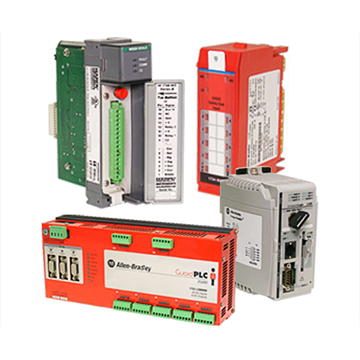
Understanding Automation Controllers
Automation controllers are devices that manage and control automated processes in various applications. They serve as the brain of an automation system, processing input signals and sending output commands to other devices. There are several types of automation controllers available, including Programmable Logic Controllers (PLCs), Distributed Control Systems (DCS), and Industrial PCs (IPCs). Each type has its unique applications and technologies, catering to different industry needs. For instance, PLCs are widely used in manufacturing due to their robustness and ease of programming, while DCS is favored in large-scale process industries for its distributed architecture. Understanding these types and their roles is essential for selecting the right automation controller that aligns with your operational goals.
Key Features to Consider
When choosing an automation controller, several key features must be taken into consideration. Processing power is fundamental; it determines how quickly the controller can execute tasks. Input/output options are equally important, as they dictate the number and types of devices the controller can interface with. Connectivity features, such as Ethernet or serial communication, are critical for integrating the controller into existing networks. Moreover, expandability allows for future upgrades, enabling your system to grow alongside your business. For instance, a friend of mine recently upgraded their manufacturing line and found that the expandability of their new controller significantly reduced long-term costs by allowing them to add functionalities without replacing the entire system. Each of these features can profoundly impact the performance and usability of your automation system.
Price Comparison and Budgeting
Price comparison is a vital step in the decision-making process when purchasing an automation controller. Understanding your budget constraints is crucial, as costs can vary significantly based on features and specifications. It’s advisable to research multiple vendors and gather quotes to ensure you're getting the best value. Additionally, consider the total cost of ownership, which includes maintenance, support, and potential upgrades over time. A colleague who recently navigated this process emphasized the importance of setting a realistic budget that accounts for both initial purchase costs and long-term expenses. This approach not only helps in making a wise investment but also ensures sustainability in your automation projects.
Specifications and Performance Metrics
Evaluating specifications is key to understanding the capabilities of an automation controller. Important metrics to consider include processing speed, memory capacity, and reliability ratings. For instance, a controller with higher processing speed can handle more complex tasks and respond to inputs quickly, which is critical in time-sensitive applications. Additionally, memory plays a role in how much data the controller can handle, particularly in systems with extensive data logging requirements. Reliability is another critical factor, as it directly impacts system uptime. My experience with a previous project showed that investing in a controller with robust reliability metrics saved the team from costly downtimes, proving that specifications are not just numbers but indicators of performance and efficiency.
Making the Purchase Decision
When it comes time to make the purchase decision, it’s essential to synthesize all the key considerations discussed. Aligning the chosen automation controller with your specific automation needs and long-term goals is paramount. Take the time to assess how each option meets your operational demands, and don’t hesitate to reach out to industry experts for advice. A friend who recently made a purchase shared that they focused not only on current needs but also on future scalability, which has allowed them to adapt their system as their business grows. This foresight can make all the difference in ensuring that your investment remains relevant and effective over time.
Summary and Final Thoughts
In summary, selecting the right automation controller is a multifaceted decision that requires careful consideration of various factors, including the type of controller, key features, pricing, specifications, and alignment with your business needs. By taking the time to understand these elements, you can make a well-informed purchase decision that enhances your automation processes and contributes to long-term success. Remember, the right choice not only optimizes current operations but also prepares your business for future challenges and growth. Take these insights into account as you embark on your journey to choose the perfect automation controller.