
Unlocking the Secrets: How Biometric Fingerprint Systems Transform Time Management!
In today's fast-paced world, effective time management is crucial for the success of any organization. One technology that has revolutionized how companies track employee attendance is the biometric fingerprint time attendance system. These systems not only enhance accuracy but also streamline the attendance process, making it easier for both employers and employees. By automating time tracking, businesses can focus more on their core operations rather than spending time on tedious administrative tasks. In this article, we will delve into how biometric fingerprint systems work, their benefits, and the considerations organizations should keep in mind when implementing them.
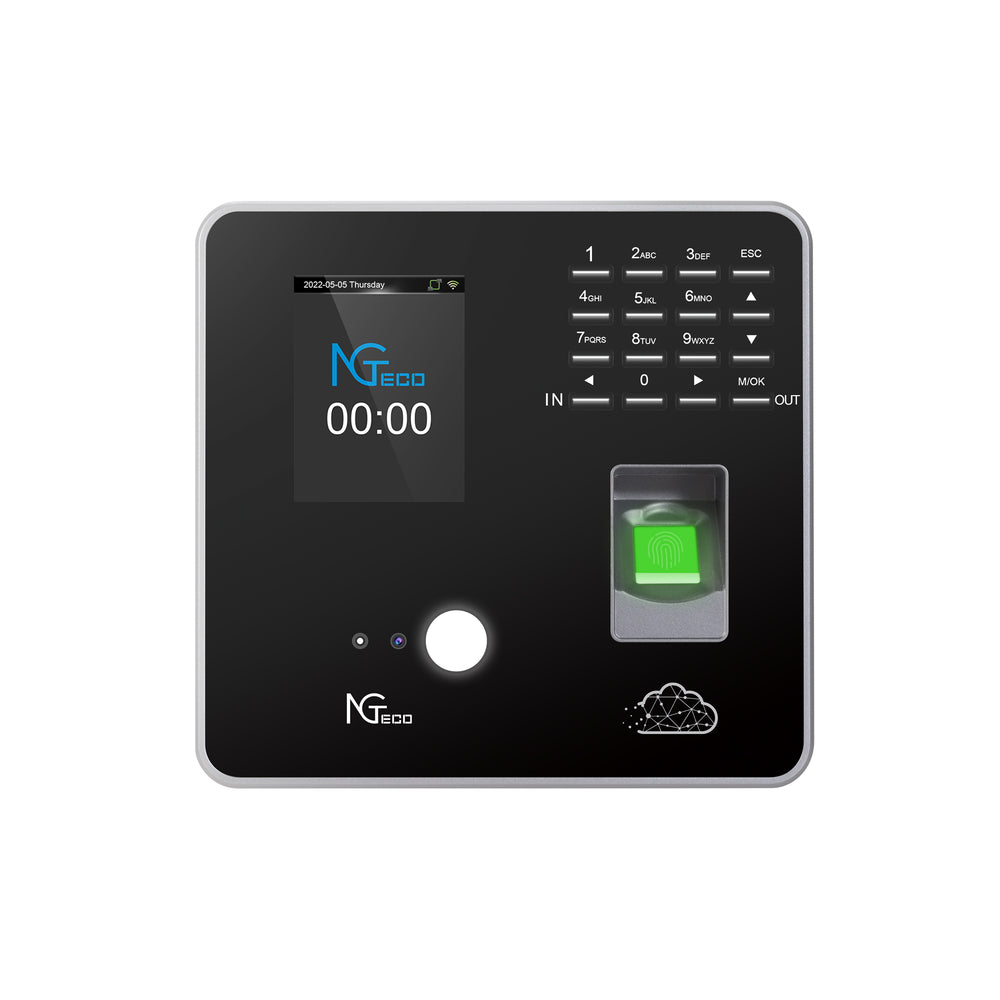
Understanding Biometric Fingerprint Time Attendance Systems
Biometric fingerprint time attendance systems utilize unique physiological traits—specifically, fingerprints—to accurately identify and verify employees. When an employee arrives at work, they simply place their finger on a scanner. The system captures the fingerprint, digitizes it, and compares it against a pre-stored database of enrolled fingerprints. This process is incredibly quick and efficient, ensuring that time is recorded accurately and without human error. The biometric data is processed through sophisticated algorithms that can recognize even subtle differences in fingerprint patterns, ensuring a high level of reliability.
The Technology Behind Fingerprint Recognition
At the heart of biometric fingerprint systems lies advanced technology that consists of various sensors and algorithms. The sensors capture the fingerprint image and convert it into a digital format. This digital fingerprint is then processed and stored in a secure database. The algorithms used in fingerprint recognition analyze the unique features of the fingerprint, such as minutiae points, which are the specific points where ridges end or bifurcate. This technology not only ensures a high degree of accuracy but also helps in maintaining security, as it is nearly impossible to replicate someone's fingerprint. Personal experiences shared by friends who have used these systems highlight how user-friendly they are, often requiring just a few seconds for recognition.
Benefits of Biometric Fingerprint Time Attendance Systems
Implementing biometric fingerprint time attendance systems offers numerous benefits for organizations. Firstly, these systems significantly increase accuracy in attendance tracking. Traditional methods, such as punch cards or manual logs, are prone to errors and can be manipulated. Biometric systems eliminate issues like time theft and buddy punching, where one employee clocks in for another. Moreover, these systems enhance security by ensuring that only authorized personnel can access specific areas of the workplace. The efficiency gained from automating the attendance process also allows HR departments to focus on more strategic tasks rather than administrative ones, ultimately leading to improved productivity. Friends who have experienced the transition to biometric systems often mention the peace of mind that comes with knowing that attendance tracking is accurate and reliable.
Impact on Employee Management
Biometric fingerprint time attendance systems not only improve attendance tracking but also facilitate better employee management and record-keeping. These systems provide real-time data that can be analyzed for payroll processing and workforce analytics. Employers can generate detailed reports that track attendance patterns, overtime, and even employee punctuality. This data-driven approach helps organizations make informed decisions regarding staffing, resource allocation, and employee performance. Furthermore, the ability to accurately track hours worked ensures that employees are compensated fairly, fostering a sense of trust and transparency within the organization. Personal anecdotes from HR professionals reveal that these systems have transformed their ability to manage staff effectively, making their jobs significantly easier.
Challenges and Considerations
While biometric fingerprint time attendance systems offer substantial advantages, there are challenges and considerations that organizations must address. One of the primary concerns is privacy; employees may feel uncomfortable with their biometric data being collected and stored. It is crucial for organizations to communicate clearly about how this data will be used and protected. Additionally, the initial implementation costs can be significant, as organizations need to invest in hardware, software, and training. It is essential to weigh these costs against the long-term benefits of increased accuracy and efficiency. Organizations should also consider the potential technical issues that may arise and ensure they have a robust support system in place.
Transforming Time Management with Biometric Systems
In conclusion, biometric fingerprint time attendance systems represent a transformative advancement in time management for organizations. By enhancing accuracy, security, and efficiency, these systems help businesses streamline their operations and reduce administrative burdens. As companies increasingly recognize the importance of effective time tracking, adopting biometric technology may be a strategic move towards improved workforce management. For organizations seeking to enhance their attendance processes, investing in biometric fingerprint systems could lead to significant long-term benefits, ensuring that both employers and employees can focus on what truly matters—achieving their goals.