
Unlock Pure Refreshment: Discover the Secrets of Reverse Osmosis Water Systems for Your Home!
In an era where clean drinking water is more essential than ever, the importance of water purification methods cannot be overstated. Reverse osmosis (RO) is a cutting-edge technology that has garnered increasing attention for home water systems. It offers a reliable solution to ensure the water we consume is free from harmful contaminants, improving both taste and quality. This article will delve into the intricacies of reverse osmosis water systems for home use, exploring their benefits, key features to consider, and how they operate to provide you with the purest water possible.
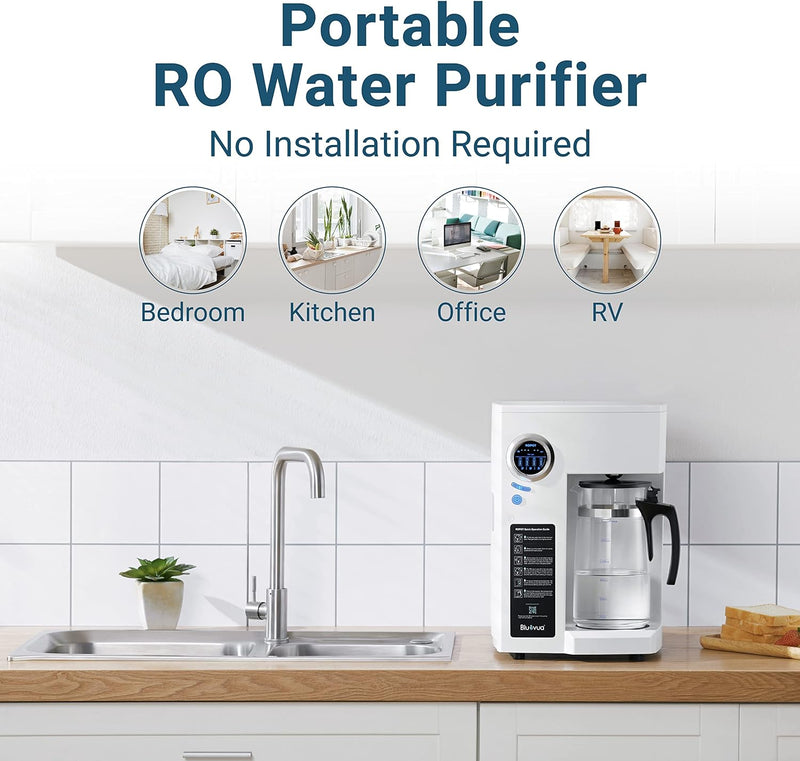
Understanding Reverse Osmosis Technology
Reverse osmosis is a water purification method that utilizes a semipermeable membrane to remove ions, molecules, and larger particles from drinking water. The process involves applying pressure to the water, which forces it through the membrane, leaving behind contaminants such as salts, bacteria, and other impurities. Unlike traditional filtration methods that may only remove larger particles, reverse osmosis excels in eliminating even the smallest contaminants, ensuring that the water is not only clean but also safe for consumption. A typical reverse osmosis system consists of several components, including pre-filters, a storage tank, and post-filters, all working together to deliver purified water efficiently.
Benefits of Reverse Osmosis Water Systems for Home Use
The advantages of incorporating a reverse osmosis system in your home are numerous. Firstly, the taste of water is significantly improved, often described as crisp and refreshing. This is due to the removal of chlorine, sediment, and other impurities that can affect flavor. Health-wise, reverse osmosis systems can eliminate harmful substances such as lead, arsenic, and nitrates, which are commonly found in tap water. Studies have shown that homes using RO systems report a decrease in waterborne diseases, making it a wise choice for families. Additionally, using a reverse osmosis system can have a positive environmental impact by reducing the need for bottled water, thus minimizing plastic waste and carbon footprint.
Key Features to Look for in a Home Reverse Osmosis System
When selecting a reverse osmosis system for home use, several key features should be considered to ensure you make the best choice. Firstly, the number of filtration stages is crucial; most effective systems use multiple stages to ensure thorough purification. Storage capacity is another important factor, especially for larger families—having enough purified water readily available is essential. Maintenance requirements should also be taken into account, as some systems may require more frequent filter changes than others. Lastly, look for certifications from recognized organizations, which can provide assurance of the system's performance and safety.
How Reverse Osmosis Systems Operate
The operation of a reverse osmosis system can be broken down into several key stages. Initially, water is pre-filtered to remove larger particles and chlorine that could damage the RO membrane. Once pre-filtration is complete, the water is forced through the semipermeable membrane, which is the core of the reverse osmosis process. After the water has been purified, it often goes through a post-filtration stage to polish the taste. Regular maintenance is vital to ensure optimal performance; this includes checking the filters and replacing them as recommended to keep the system running efficiently.
Summary of Benefits and Importance
In summary, reverse osmosis water systems offer a multitude of benefits for home use, from improved taste and health advantages to a positive environmental impact. By understanding the technology, recognizing the key features to consider, and knowing how these systems operate, you can make an informed decision about investing in a reverse osmosis system for your home. With clean, pure water at your fingertips, you can enhance your family's health and well-being while contributing to a healthier planet.