

Unlock the Secret to Choosing the Perfect Formula Bottles for Your Newborn!
Choosing the right bottles for formula feeding your newborn can feel like a daunting task. As new parents embark on this journey, they are often overwhelmed by the multitude of options available. Each bottle claims to be the best, yet it’s crucial to find one that meets the unique needs of your little one. Selecting the right formula bottle can significantly impact your baby's feeding experience and overall comfort. Factors such as the bottle's material, nipple shape, and flow rate play a pivotal role in ensuring your newborn feeds effectively and happily. In this article, we will explore the essential aspects to consider when choosing the best bottles for formula feeding newborns, providing a comprehensive review of the top options available to help you make an informed decision.
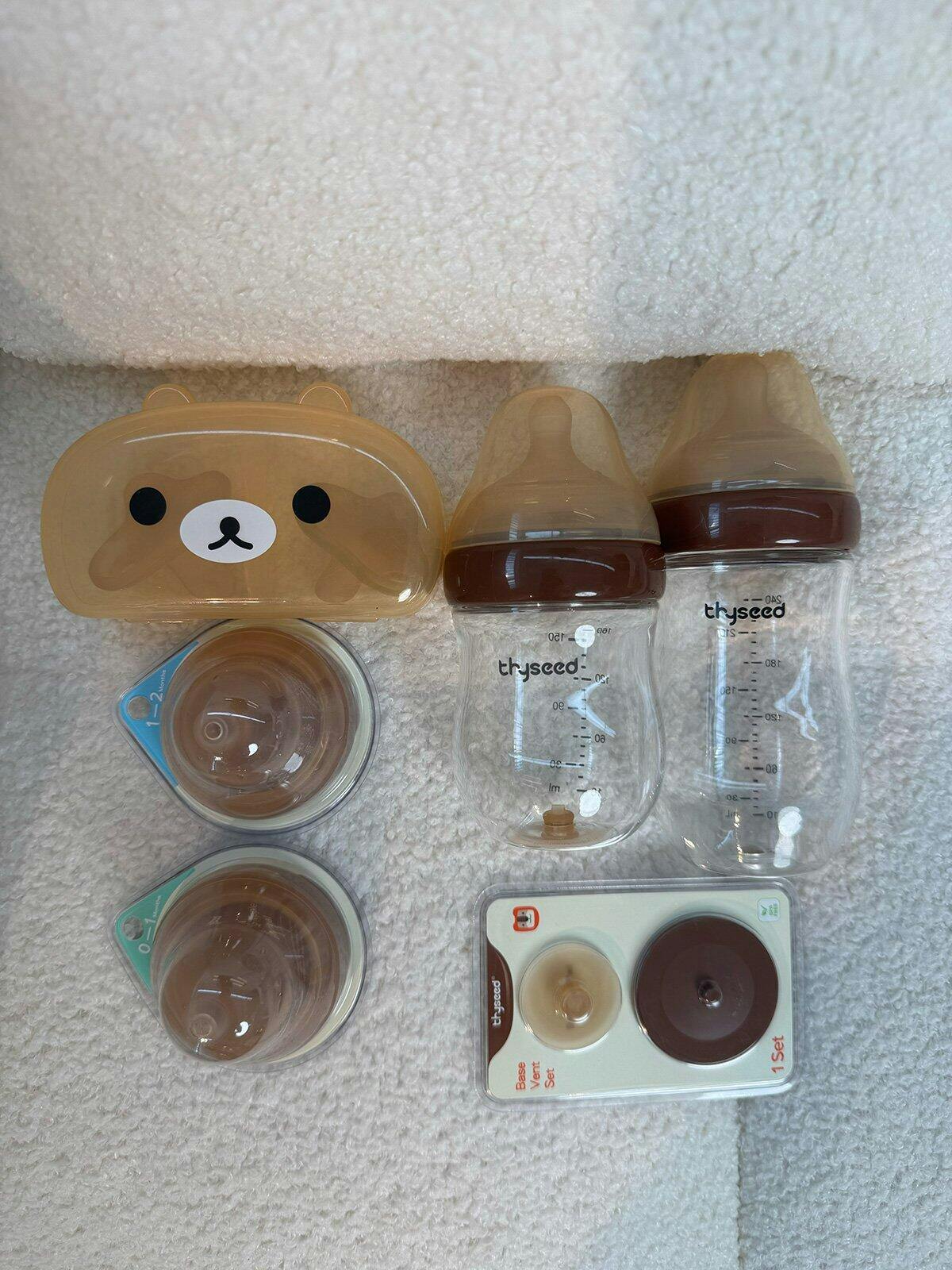
Understanding Your Newborn's Needs
Newborns have specific feeding requirements that differ from older infants. They generally have small stomachs and need to feed frequently. This means that the bottle you choose should cater to their delicate needs. One important aspect is the flow rate of the nipple. A slow flow is often recommended for newborns to prevent choking and ensure they can manage their feeding pace. Additionally, the shape of the nipple can affect how well your baby latches onto it. Some babies prefer a wider, breast-like shape, while others may adapt better to a standard nipple. Materials also matter; bottles made from BPA-free plastic or glass are safer choices. Understanding these nuances can help you choose a bottle that not only fits your baby's needs but also provides a more enjoyable feeding experience.
Key Features to Look for in Formula Bottles
When selecting formula bottles, there are several key features that new parents should consider. One significant factor is the presence of anti-colic designs, which can help reduce gas and discomfort during feedings. These bottles often include a unique venting system that minimizes air intake. Ease of cleaning is another essential feature; bottles with fewer parts or those that can be easily disassembled can save you time and effort during cleanup. Additionally, compatibility with various types of formula is crucial, especially if you plan to switch brands or if your baby has specific dietary needs. Look for bottles that are versatile and can accommodate both powdered and ready-to-use formulas. These features can greatly enhance your feeding routine and contribute to your baby's comfort.
Top Types of Formula Bottles
Formula bottles come in various types, each with its own advantages and disadvantages. Standard bottles are the most common and typically feature a straightforward design. They are easy to use but may not provide specific benefits like anti-colic features. Angled bottles, on the other hand, are designed to help reduce air intake, making them a good option for gassy babies. However, they can be more challenging to clean due to their shape. Collapsible bottles offer a unique solution, especially for on-the-go feeding; they take up less space and can be compressed as the baby drinks. Each type has its pros and cons, and the best choice often depends on your individual circumstances and your baby’s preferences.
Reviews of the Best Bottles for Formula Feeding Newborns
While there are numerous options available, several standout bottles have consistently received positive feedback from parents. These bottles typically feature a combination of innovative designs and practical functionality. For instance, some bottles boast a unique nipple shape that mimics breastfeeding, making it easier for babies to transition between breast and bottle. Others include built-in anti-colic systems that help minimize discomfort during and after feedings. Ease of cleaning is a common feature among top-rated bottles, with many designed to be dishwasher safe or having wide openings for easy access. Parents have reported that these bottles not only meet their newborn's needs but also provide peace of mind, knowing that they are using products designed with their baby's well-being in mind.
Making an Informed Choice for Your Baby
In summary, selecting the right formula bottles for your newborn is a crucial step in ensuring a positive feeding experience. By understanding your baby's specific needs, considering essential features, and exploring various types of bottles, you can make an informed decision that best suits your family. Remember that each baby is unique, and what works for one may not work for another. Take the time to evaluate the options available and prioritize your baby's comfort and health. With the right bottle, you can help create a joyful feeding routine that supports your newborn's growth and development.