

Unlocking the Secrets of Transistorized Voltage Regulators: Power Your Projects with Confidence!
Transistorized voltage regulators are essential components in the world of electronics, serving as the backbone for maintaining stable voltage levels across various devices and circuits. These regulators ensure that sensitive components receive the correct voltage, preventing damage and enhancing performance. In this article, we will delve into the intricacies of how transistorized voltage regulators operate, explore their diverse applications across different industries, and highlight the benefits they bring to electronic projects. Whether you are a seasoned engineer or a hobbyist looking to enhance your understanding, this guide will illuminate the significance of these devices and empower you to implement them confidently in your projects.
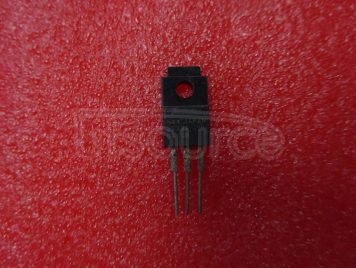
Understanding Transistorized Voltage Regulators
Transistorized voltage regulators are electronic devices designed to maintain a consistent output voltage regardless of variations in input voltage or load conditions. At their core, these regulators utilize transistors alongside other essential components like resistors and capacitors to achieve voltage stabilization. There are primarily two types of voltage regulators: linear and switching. Linear regulators work by dissipating excess voltage as heat, providing a smooth output voltage, making them suitable for applications requiring minimal noise. On the other hand, switching regulators convert input voltage to a higher or lower output voltage using inductive components, allowing for greater efficiency and flexibility. Understanding the fundamental workings of these regulators is crucial for effective application in your electronic designs.
Applications of Transistorized Voltage Regulators
The versatility of transistorized voltage regulators makes them invaluable across a myriad of applications. In consumer electronics, for instance, they are commonly found in devices such as smartphones, laptops, and televisions, ensuring that internal circuits receive stable power. In automotive systems, these regulators help manage power for critical components like sensors and control units, enhancing vehicle performance and safety. Additionally, in industrial applications, they are utilized to regulate power supplies for machinery and equipment, allowing for optimal operation in demanding environments. A friend of mine, who works in automotive engineering, often emphasizes how crucial these regulators are in modern vehicles, where multiple electronic systems must operate reliably under varying conditions.
Benefits of Using Transistorized Voltage Regulators
Utilizing transistorized voltage regulators offers numerous advantages that significantly enhance electronic designs. One of the primary benefits is efficiency; particularly in switching regulators, which can achieve efficiency levels above 90%, reducing power loss and heat generation. This efficiency translates to improved performance and reduced energy consumption, which is increasingly important in our energy-conscious world. Another advantage is reliability; these regulators are designed to provide stable voltage levels, thus protecting sensitive components from voltage fluctuations that could lead to failure. Moreover, their performance is consistent over a wide range of operating conditions, making them suitable for various applications. In my own projects, I have found that incorporating these regulators has greatly improved the longevity and reliability of my circuits, sparing me from the headaches of unexpected failures.
Design Considerations and Best Practices
When integrating transistorized voltage regulators into your projects, several key design considerations must be taken into account. Firstly, it's essential to understand the input voltage range and ensure it aligns with the specifications of the regulator to avoid damage. Additionally, assessing the load current is crucial, as the regulator must be capable of supplying enough current for the connected components without overheating. Thermal management is another critical aspect; proper heat sinks and layouts can prevent thermal overload, ensuring the longevity of the regulator. Best practices also include using decoupling capacitors to filter noise and stabilize the output voltage. From my experience, adhering to these considerations has made a substantial difference in the performance of my electronic designs, resulting in more robust and efficient circuits.
Key Takeaways on Transistorized Voltage Regulators
In this exploration of transistorized voltage regulators, we have uncovered their fundamental workings, diverse applications, and numerous benefits. Understanding how these regulators function is vital for anyone looking to enhance their electronic projects, whether you're developing consumer devices, automotive systems, or industrial machinery. With the knowledge gained from this article, we encourage you to delve deeper into the world of voltage regulation, experiment with your designs, and leverage the power of transistorized voltage regulators to achieve greater reliability and efficiency in your projects. The journey of exploration and innovation in electronics is ongoing, and these regulators will undoubtedly play a pivotal role in it.