
Unlock the Secret to Stunning Custom Architectural Perforated Panels!
Architectural perforated panels are rapidly becoming a staple in modern architecture, serving both aesthetic and functional purposes. These panels, characterized by their unique hole patterns, can be made from various materials, including metal, plastic, and composites. The significance of custom patterns cannot be overstated; they allow architects and designers to express creativity, enhance building facades, and even improve energy efficiency. Imagine walking past a building where the sunlight filters through beautifully designed perforations, casting intricate shadows on the ground. This is the magic of architectural perforated panels with custom patterns. They enable a dialogue between structure and environment, making spaces more inviting and engaging. As you explore this fascinating world, you might find the perfect vendor or manufacturer to bring your creative vision to life.
Understanding Architectural Perforated Panels
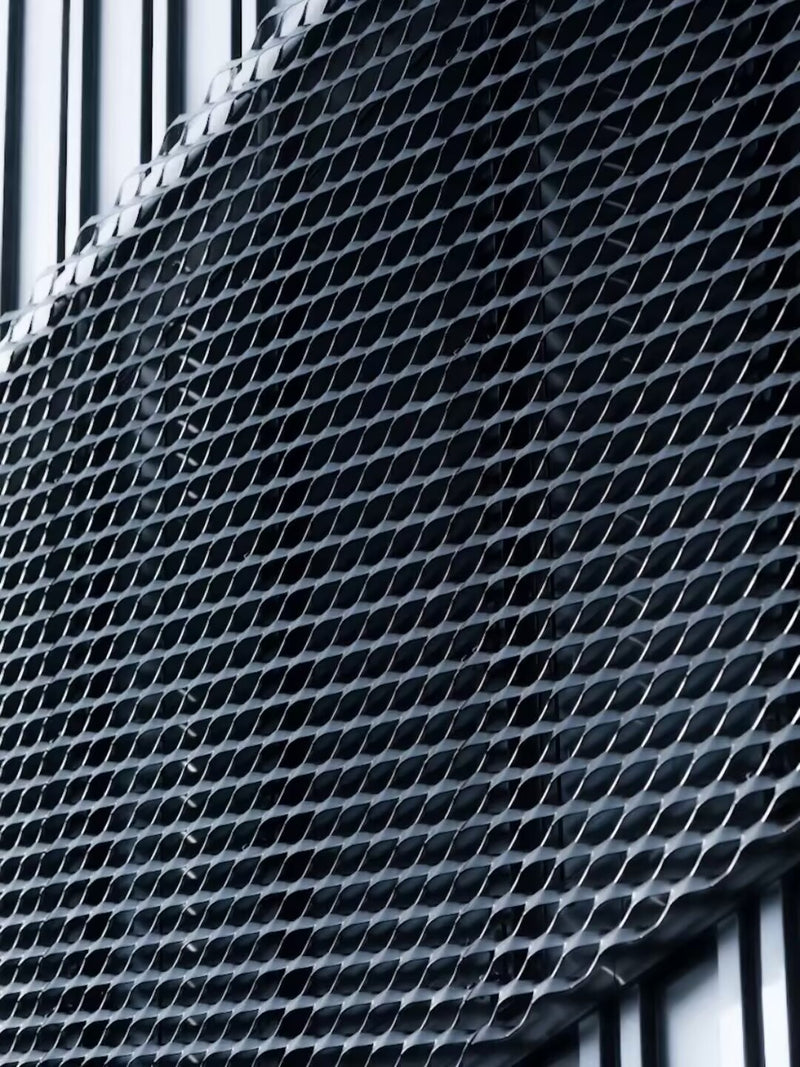
Architectural perforated panels are flat surfaces that have been meticulously designed with holes of various sizes and shapes. They are primarily used in building facades, interior applications, and even signage. The materials used for these panels can range from lightweight aluminum to robust stainless steel, depending on the desired aesthetic and functional properties. One of the significant benefits of using architectural perforated panels is their ability to enhance ventilation and light penetration. This characteristic makes them an excellent choice for energy-efficient designs, allowing natural light to permeate spaces while maintaining privacy. Additionally, they can be used for acoustic control, reducing noise pollution in urban settings. With a diverse range of applications, these panels are not just functional but also serve as a canvas for artistic expression, making them a preferred choice for innovative architectural solutions.
The Importance of Custom Patterns
Custom patterns on perforated panels can revolutionize how buildings are perceived and experienced. One of the key advantages of having custom designs is the unparalleled design flexibility they offer. Architects can create unique patterns that reflect the building’s purpose or the brand identity of the business it houses. For instance, a tech company might choose sleek, modern patterns, while a cultural institution could opt for intricate, traditional motifs. This customization extends beyond aesthetics; it also opens up branding opportunities. Custom perforated panels can showcase logos or thematic designs that resonate with the target audience, making the building a landmark in its own right. Furthermore, custom patterns can be designed with environmental considerations in mind, allowing for natural airflow and light while reducing energy costs. This fusion of creativity and practicality demonstrates the true value of investing in custom architectural perforated panels.
Finding Vendors and Manufacturers
When it comes to sourcing vendors or manufacturers for custom architectural perforated panels, a strategic approach can make all the difference. Start by conducting thorough online searches using relevant keywords, such as "custom architectural perforated panels." This will lead you to various suppliers, showcasing their capabilities and previous projects. Industry trade shows are another fantastic resource, offering an opportunity to meet manufacturers face-to-face, view their products, and discuss your specific needs. Networking within architectural and design communities can also yield valuable recommendations, as industry professionals often share insights about trusted suppliers. Additionally, consider joining online forums or social media groups focused on architecture and design, where discussions about vendors and experiences can guide you in your search. By leveraging these resources, you can find a manufacturer that aligns with your vision and requirements.
Evaluating Potential Suppliers
Once you've identified potential suppliers, it's crucial to evaluate them carefully before making a decision. Start by assessing their experience in producing custom architectural perforated panels. A reputable supplier should have a robust portfolio showcasing a variety of projects, demonstrating their design capabilities and craftsmanship. Customer service is another vital factor; a supplier that communicates effectively and is willing to collaborate can make the entire process smoother. Pay attention to their production capabilities as well—ensure they can meet your specific requirements regarding size, material, and lead times. Finally, don’t hesitate to ask for references or case studies from previous clients to gauge satisfaction levels. By thoroughly vetting potential suppliers, you can ensure that your project is in capable hands, leading to stunning results that elevate your architectural vision.
Integrating Functionality and Design
In conclusion, architectural perforated panels with custom patterns offer a unique blend of functionality and artistry, making them a valuable asset in contemporary architecture. As we've explored, these panels not only enhance the aesthetic appeal of buildings but also contribute to energy efficiency and branding opportunities. By understanding the importance of custom patterns and knowing how to find and evaluate reliable vendors, you can embark on a journey to transform your architectural projects. Whether you are an architect, designer, or builder, exploring the options available in custom architectural perforated panels can lead to innovative and inspiring results that make a lasting impact.