
Unlock the Secret Life of Hummingbirds with This Must-Have Feeder!
The world of hummingbirds is a mesmerizing one, filled with vibrant colors, rapid movements, and enchanting behaviors that captivate birdwatchers and nature enthusiasts alike. These tiny avian wonders are not just a sight to behold; they are also a window into the delicate balance of nature. Observing hummingbirds as they flit from flower to flower is a joy that many cherish. With the rise of technology, hummingbird feeders equipped with cameras have become increasingly popular, allowing enthusiasts to get an up-close look at these beautiful creatures in their natural habitat. A hummingbird feeder with a camera is not just a tool; it’s an essential companion for anyone looking to deepen their understanding and appreciation of these remarkable birds.
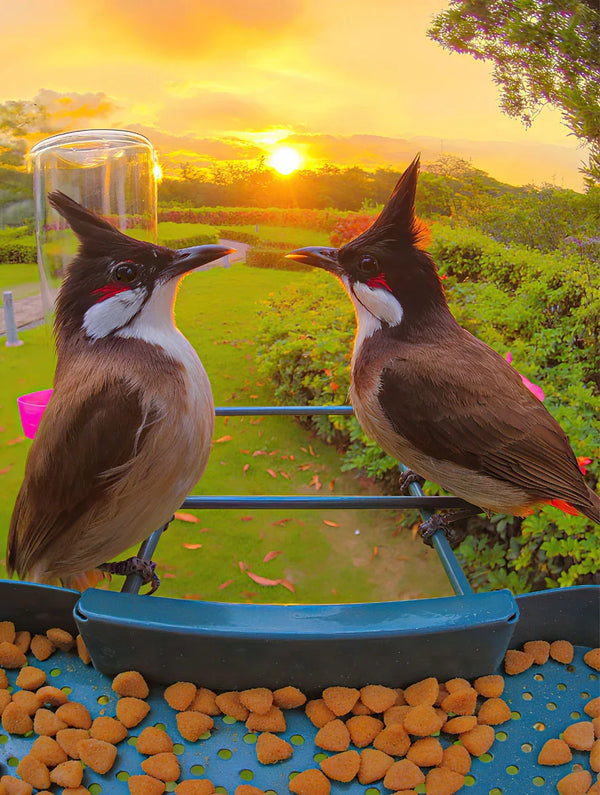
The Benefits of a Hummingbird Feeder with a Camera
Having a camera integrated into a hummingbird feeder offers numerous advantages that enhance the birdwatching experience. First and foremost, it allows you to capture unique moments that might otherwise go unnoticed. Imagine watching a hummingbird hover in mid-air, its wings a blur, as it sips nectar from the feeder. With a camera, you can immortalize these fleeting instances and share them with friends and family. Additionally, monitoring feeding habits becomes much easier. You can observe which flowers or colors attract more hummingbirds, helping you create a more inviting environment for them. The close-up view provided by the camera also brings a sense of intimacy to the experience, allowing you to appreciate the intricate details of these birds, from their iridescent feathers to their delicate beaks.
Features to Look for in a Hummingbird Feeder with Camera
When selecting a hummingbird feeder with a camera, there are several key features to consider. First, the quality of the camera is paramount; look for high-resolution images and good video capabilities to ensure you capture the beauty of hummingbirds in detail. The design of the feeder should also be user-friendly, making it easy to refill nectar and clean. Durability is crucial as well, especially if you live in an area with harsh weather conditions. A high-quality feeder should withstand the elements while providing a safe haven for hummingbirds. Additionally, consider whether the camera has night vision capabilities, allowing you to observe nocturnal activities, and check for features like Wi-Fi connectivity for live streaming or remote viewing.
How to Set Up Your Hummingbird Feeder with Camera
Setting up your hummingbird feeder with a camera is a straightforward process that can greatly influence your success in attracting these beautiful birds. Begin by choosing the right location; hummingbirds prefer spots that are sunny and sheltered from strong winds. Hang the feeder at eye level to make it easy to monitor and enjoy the view. Ensure the camera is positioned to capture the feeder area effectively, ideally with a clear line of sight. When filling the feeder, use a mixture of four parts water to one part sugar, and avoid red dyes that can be harmful to birds. Regularly check the feeder for cleanliness and refill it every few days, especially during peak feeding seasons. Proper setup not only maximizes your chances of attracting hummingbirds but also ensures the camera performs at its best.
Tips for Attracting Hummingbirds
Attracting hummingbirds to your feeder involves a combination of the right nectar recipe, maintenance, and creating an inviting environment. Start by using a simple nectar recipe: dissolve one part sugar in four parts water and boil it for a few minutes, then let it cool before filling your feeder. Keep the feeder clean by washing it every few days to prevent mold and bacteria. Additionally, you can enhance your garden with native flowering plants that provide natural food sources and shelter for hummingbirds. Brightly colored flowers, especially red and orange ones, are particularly attractive to these birds. Creating a habitat with perches nearby will also encourage them to visit your feeder more frequently.
Understanding Hummingbird Behavior
Observing hummingbird behavior through your feeder's camera can be a fascinating endeavor. You may notice their unique feeding patterns, where they pause at the feeder and rapidly dart back and forth to different flowers. Territorial displays are also common; male hummingbirds often guard feeding spots aggressively, showcasing their vibrant plumage to deter rivals. Additionally, social interactions can be witnessed, revealing the complex dynamics of their behavior. Through the camera, you can learn about their preferences and habits, enriching your understanding of these remarkable creatures. Each observation can lead to new insights, making your birdwatching experience even more rewarding.
Enhancing Your Birdwatching Experience
Investing in a hummingbird feeder with a camera is a decision that can significantly enhance your birdwatching experience. By capturing the intricate details of hummingbird behavior and providing endless opportunities for observation, you open a portal into the secret lives of these fascinating birds. The joy and educational value of watching them up close cannot be overstated. Whether you are a seasoned birdwatcher or a newcomer to the hobby, a hummingbird feeder with a camera is an essential addition that promises to bring you closer to nature and deepen your appreciation for these incredible creatures.