

Unlocking the Truth: Are Glass Breastfeeding Bottles Worth the Hype?
In recent years, glass breastfeeding bottles have gained significant traction among new parents, sparking conversations about their benefits and potential drawbacks. As parents strive to provide the safest and healthiest options for their infants, glass bottles have emerged as a popular choice due to their perceived advantages over traditional plastic alternatives. This article aims to thoroughly explore the advantages and disadvantages of using glass breastfeeding bottles, providing parents with the necessary insights to make informed choices about infant feeding. With the well-being of our little ones at stake, understanding these factors is crucial in navigating the myriad of options available in today's market.
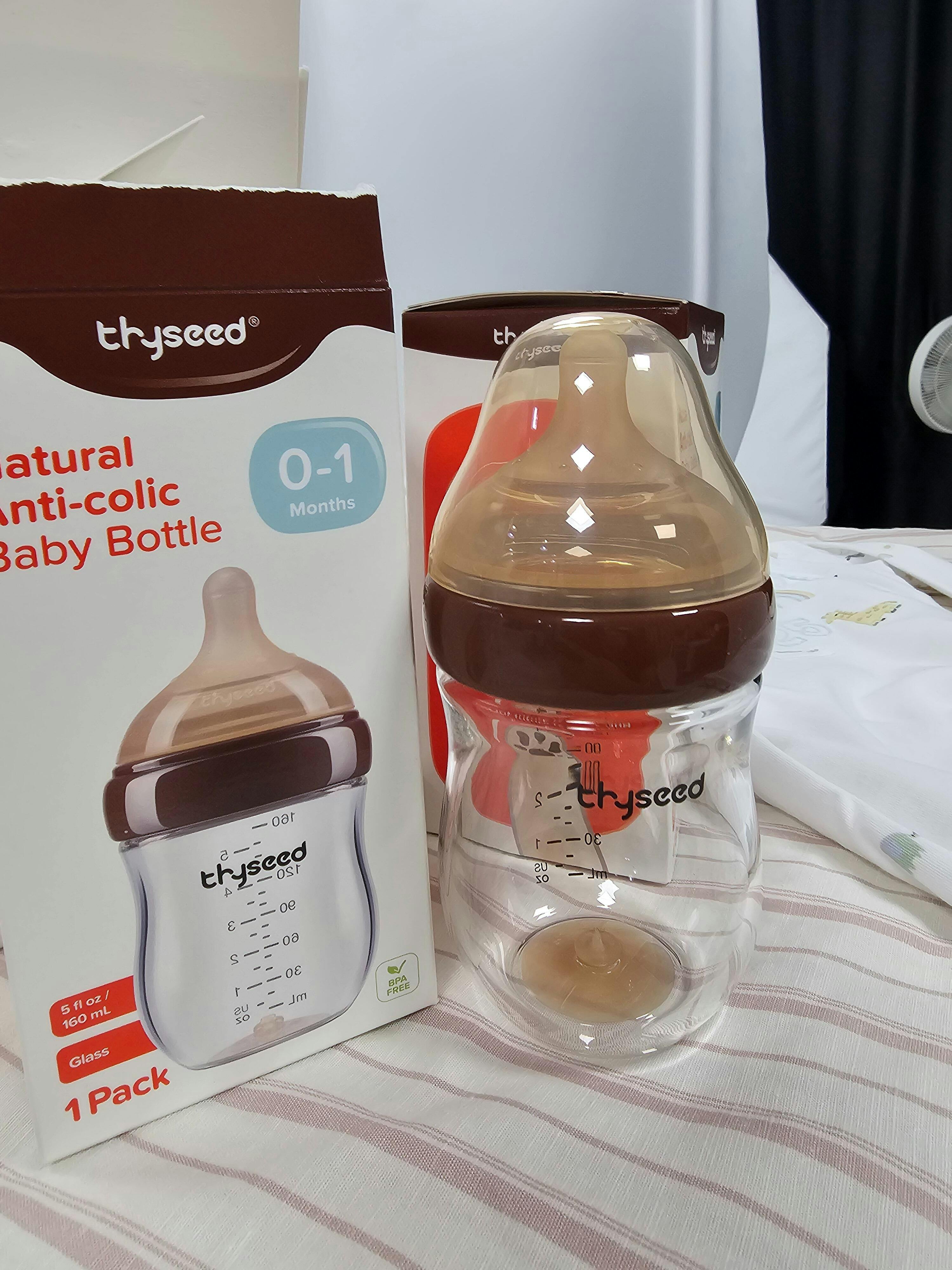
Advantages of Glass Breastfeeding Bottles
One of the standout benefits of glass breastfeeding bottles is their safety profile. Unlike plastic bottles, which may leach harmful chemicals like BPA, glass bottles are made from non-toxic materials. This characteristic significantly reduces the risk of chemical exposure to infants, leading many parents to feel more secure about their choice. Additionally, glass bottles are highly durable, resistant to scratching, and can withstand temperature fluctuations, making them a long-lasting option. They are also eco-friendly; being recyclable, they contribute to a reduction in plastic waste, which is a growing concern in our environment. Many parents find that glass bottles are easier to clean, as they do not stain or retain odors over time. A friend of mine shared her experience, stating that after switching to glass bottles, she noticed her baby seemed more comfortable during feeding, possibly due to the absence of chemical leaching.
Safety and Health Considerations
The safety of using glass breastfeeding bottles cannot be overstated. Numerous studies have highlighted the dangers of BPA and other harmful chemicals commonly found in plastics. Research has shown that BPA exposure can lead to various health issues, including hormonal disruptions and developmental problems in infants. In contrast, glass bottles eliminate these concerns entirely, providing a safer alternative for feeding. Pediatricians often encourage parents to consider glass bottles for this reason, emphasizing the importance of choosing products that prioritize infant health. Moreover, glass bottles are less likely to harbor bacteria due to their smooth surface, offering an additional layer of health assurance.
Disadvantages of Glass Breastfeeding Bottles
Despite their many advantages, glass breastfeeding bottles come with certain drawbacks that parents must consider. One of the most significant disadvantages is their weight; glass bottles are heavier than their plastic counterparts, which can make them less convenient for on-the-go feeding. Fragility is another concern, as glass bottles can break if dropped, posing a safety risk. This fragility can create anxiety for parents, especially when handling a fussy baby. Furthermore, glass bottles tend to be more expensive than plastic ones, which can be a deciding factor for families on a budget. A friend recounted her experience with glass bottles, mentioning that while she loved their safety features, the weight and breakability made her hesitant to use them outside the home.
Comparative Analysis with Plastic Bottles
When comparing glass breastfeeding bottles to plastic options, usability and maintenance become key factors. Plastic bottles are lightweight and virtually unbreakable, making them a practical choice for busy parents. However, they require careful selection to avoid harmful chemicals and may need to be replaced more frequently due to wear and tear. On the other hand, glass bottles, while heavier and more fragile, offer a cleaner, chemical-free feeding experience, which many parents prefer for long-term use. Additionally, parents often find that glass bottles can withstand multiple sterilization cycles without degrading, making them a sustainable choice in the long run.
Weighing the Pros and Cons
In conclusion, glass breastfeeding bottles present a mix of advantages and disadvantages that parents must weigh carefully. While they offer safety, durability, and eco-friendliness, the concerns of weight, fragility, and cost cannot be overlooked. Ultimately, the decision to use glass bottles should align with individual lifestyles and preferences. By considering these factors, parents can make informed choices that best suit their family's needs, ensuring a safe and healthy feeding experience for their infants.