
Discover the Thrills of Giant RC Planes: Features That Will Make You Fly!
In recent years, giant remote-controlled (RC) planes have soared in popularity among hobbyists, captivating both newcomers and seasoned enthusiasts. Unlike their smaller counterparts, these colossal models offer a unique blend of excitement and technical challenge, bringing an entirely new level of thrill to the RC flying experience. Imagine watching a massive airplane gracefully glide through the air, its wingspan casting a shadow over the ground below. This article aims to delve into the fascinating world of giant RC planes, exploring their key features and specifications that set them apart in the vast realm of remote-controlled aviation.
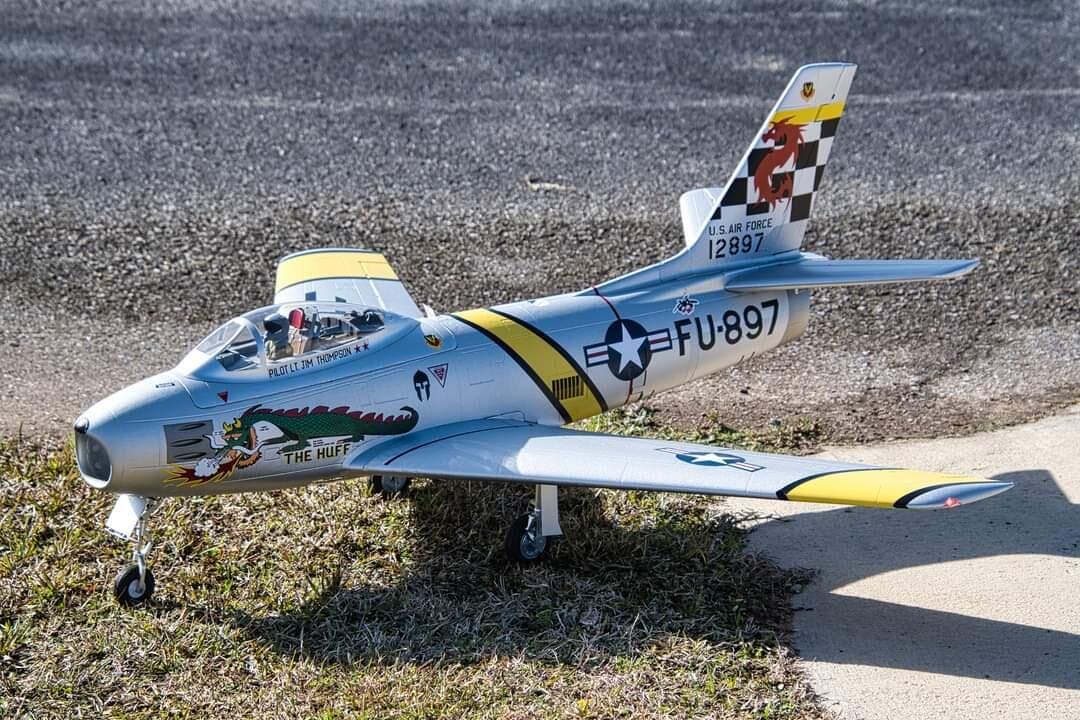
Understanding Giant RC Planes
So, what exactly qualifies as a giant RC plane? Generally, these models are defined by their impressive wingspans, typically starting at around 60 inches and can go up to over 120 inches. Unlike standard RC planes, which are smaller and often easier to handle, giant RC planes demand more skill and attention due to their size and weight. There is a diverse range of types available on the market, from scale models that replicate real aircraft to aerobatic planes designed for high-performance stunts. Many hobbyists favor larger models not just for their aesthetics but also for their enhanced flying characteristics, which often provide a more rewarding flying experience.
Key Features of Giant RC Planes
One of the most appealing aspects of giant RC planes is their unique features. These models are built with larger design elements and robust materials, which contribute to their durability and flight capabilities. Common materials include balsa wood, fiberglass, and lightweight composites, which help maintain structural integrity while reducing overall weight. Moreover, many giant RC planes incorporate advanced technology, such as 2.4 GHz radio systems and sophisticated stabilization features, which enhance control during flight. The combination of these elements not only contributes to superior performance but also makes the flying experience more enjoyable and immersive for the pilot.
Flight Performance
When it comes to flight performance, giant RC planes excel in stability, control, and maneuverability. The larger wingspans provide better lift and stability, allowing for smoother flights even in less-than-ideal weather conditions. Additionally, the increased weight can lead to improved control, making it easier to perform complex maneuvers without the risk of losing stability. A friend of mine recently upgraded to a giant RC plane, and he shared how the experience was like flying a real aircraft, describing the thrill of executing loop-de-loops and barrel rolls with precision.
Power Systems
Power systems play a crucial role in the performance of giant RC planes. There are primarily two types: electric and gas-powered systems. Electric systems, while cleaner and quieter, often require careful consideration of battery capacity and weight distribution. They typically offer ease of use and lower maintenance costs, making them a popular choice for beginners. On the other hand, gas-powered systems provide more power and longer flight times, favored by experienced pilots who appreciate the roar of an engine. However, they come with higher maintenance and operational costs. Weighing the pros and cons of each system is essential for selecting the right giant RC plane for your flying style and preferences.
Specifications to Consider
When seeking the perfect giant RC plane, several specifications are vital to consider. Key factors include wingspan, weight, battery capacity, and engine type. A larger wingspan often translates to better flight stability, while the overall weight affects maneuverability and power requirements. Battery capacity is crucial for determining how long you can fly between charges, and the engine type can influence performance characteristics. It's also important to match the plane's specifications with your personal preferences and flying skills. If you're a beginner, selecting a model that is forgiving and easy to handle can make the learning curve much more manageable.
Exploring the World of Giant RC Planes
In summary, giant RC planes present an exciting avenue for both novice and experienced hobbyists alike. Their unique features and specifications offer a thrilling flying experience, elevating the RC hobby to new heights. Whether you're captivated by the stability and control they provide or the challenge of mastering their flight characteristics, there's no denying the allure of these majestic models. If you haven't yet explored the world of giant RC planes, now is the perfect time to take to the skies and experience the excitement for yourself!